Wonderland
真有妙境
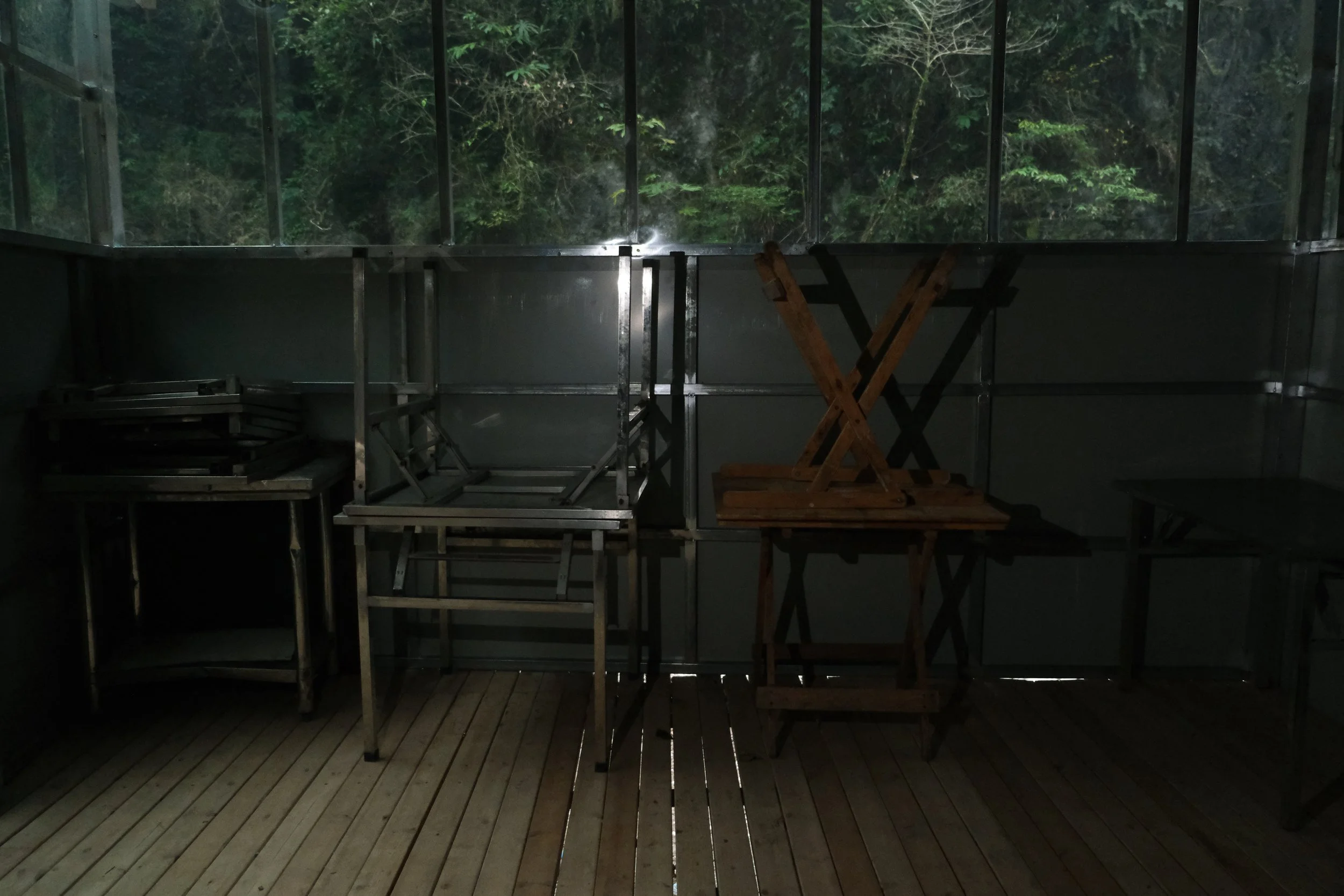
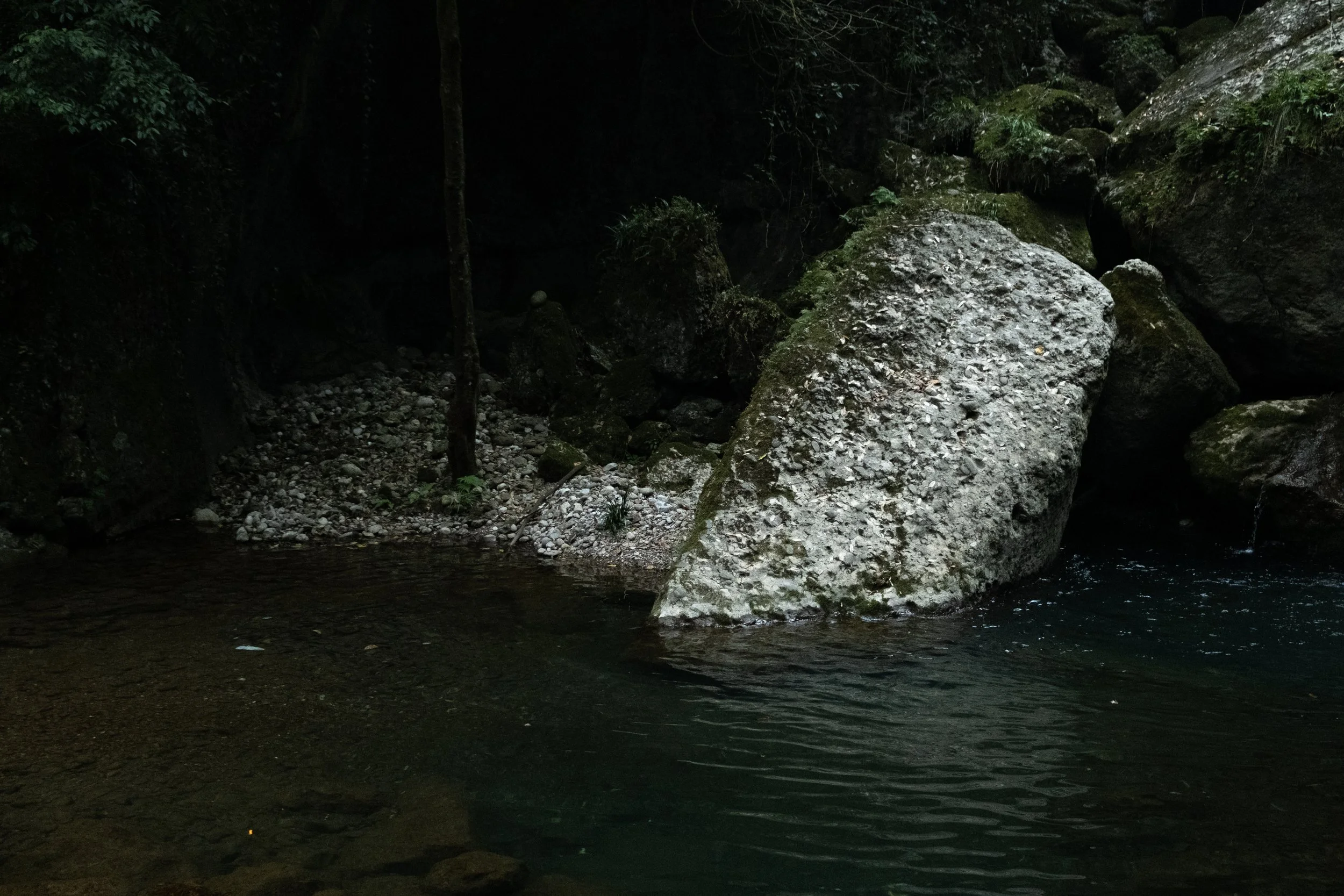
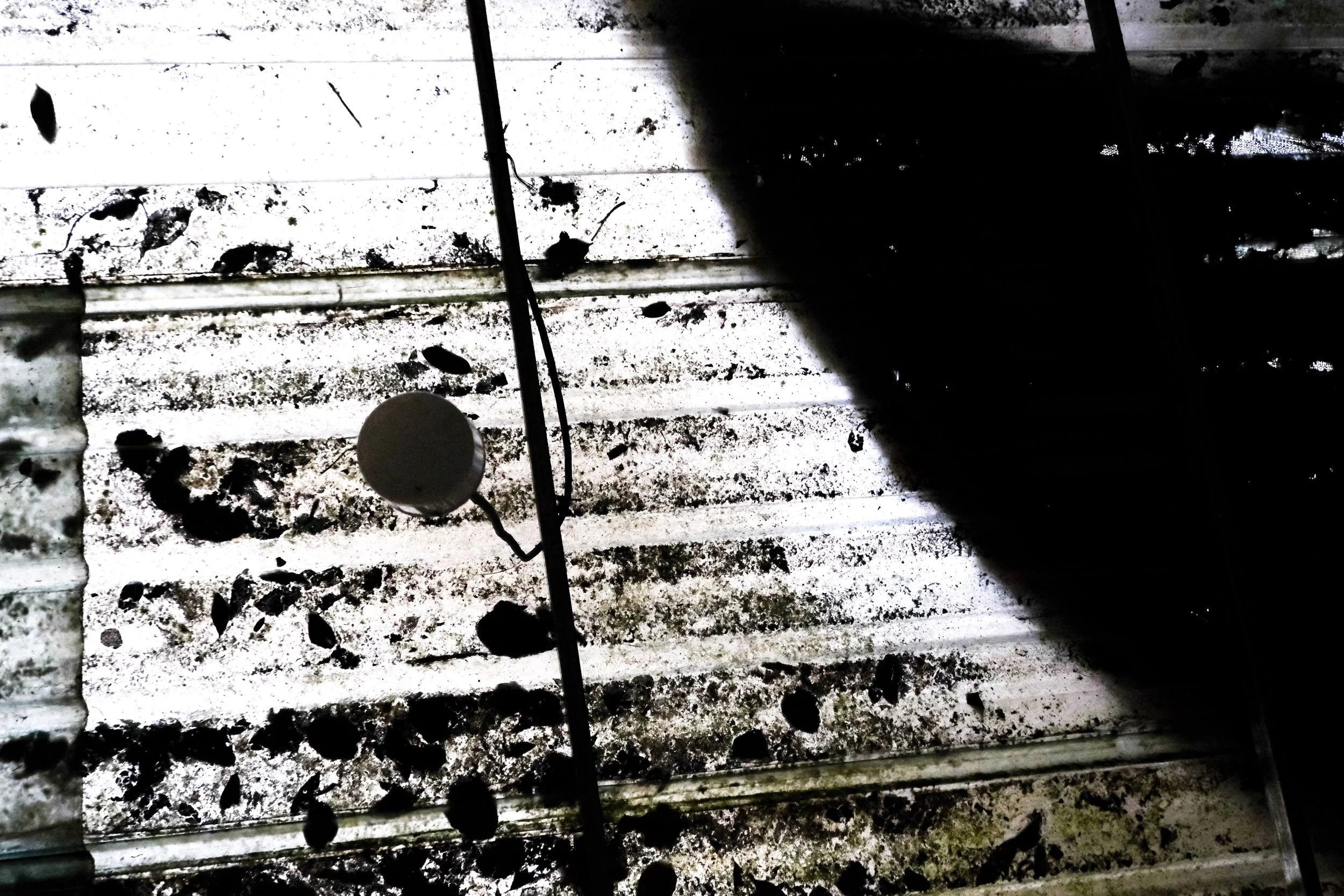
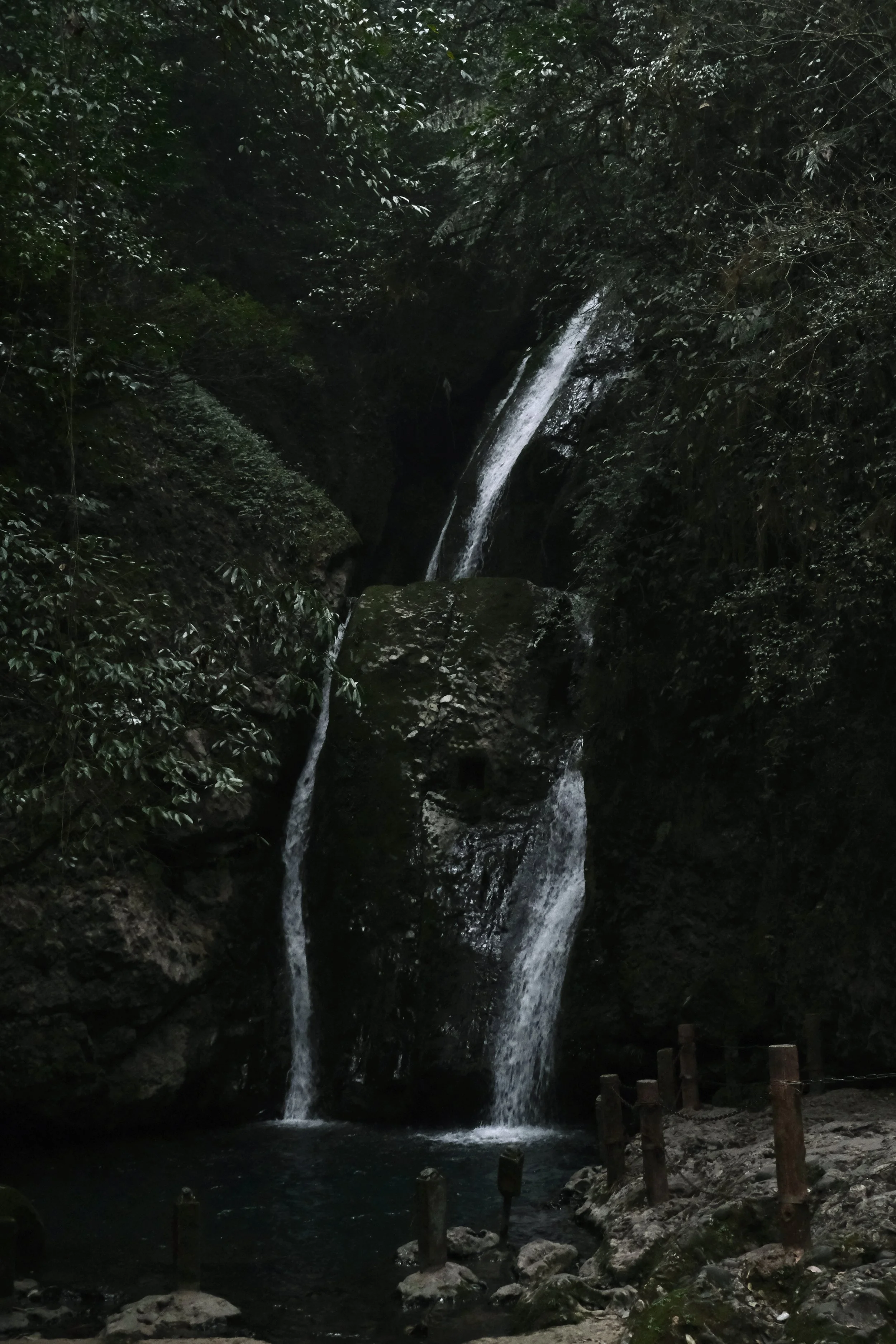



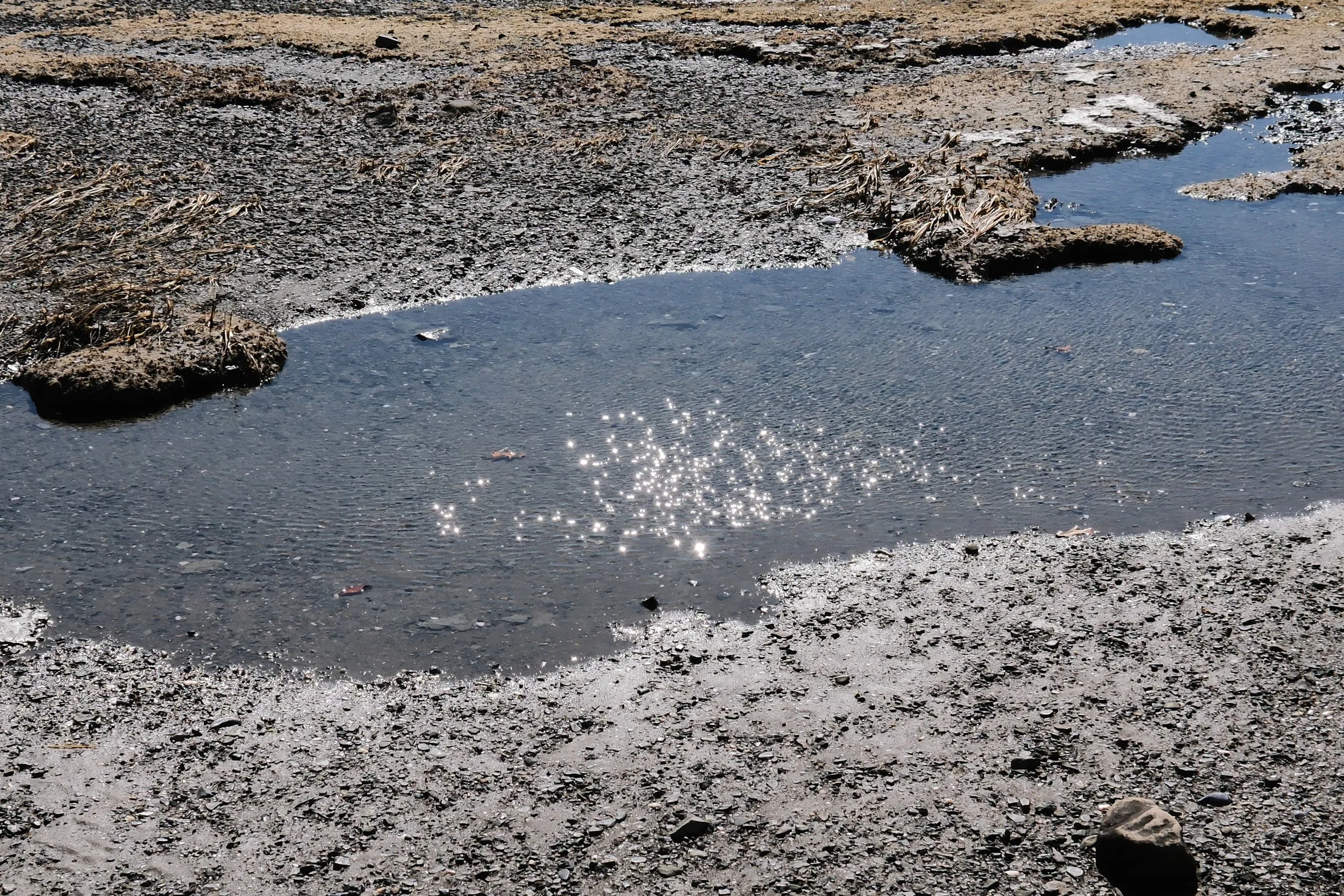
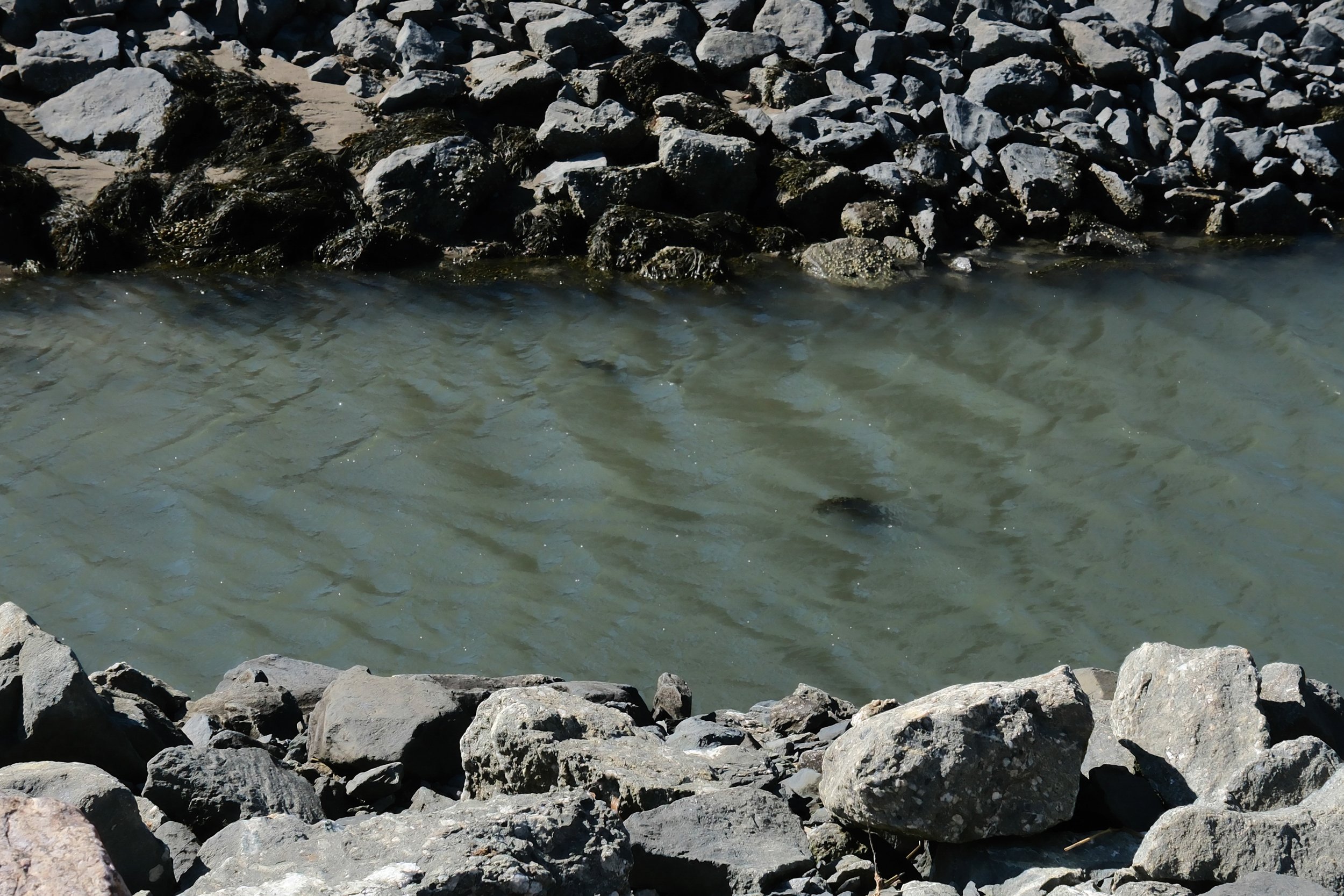

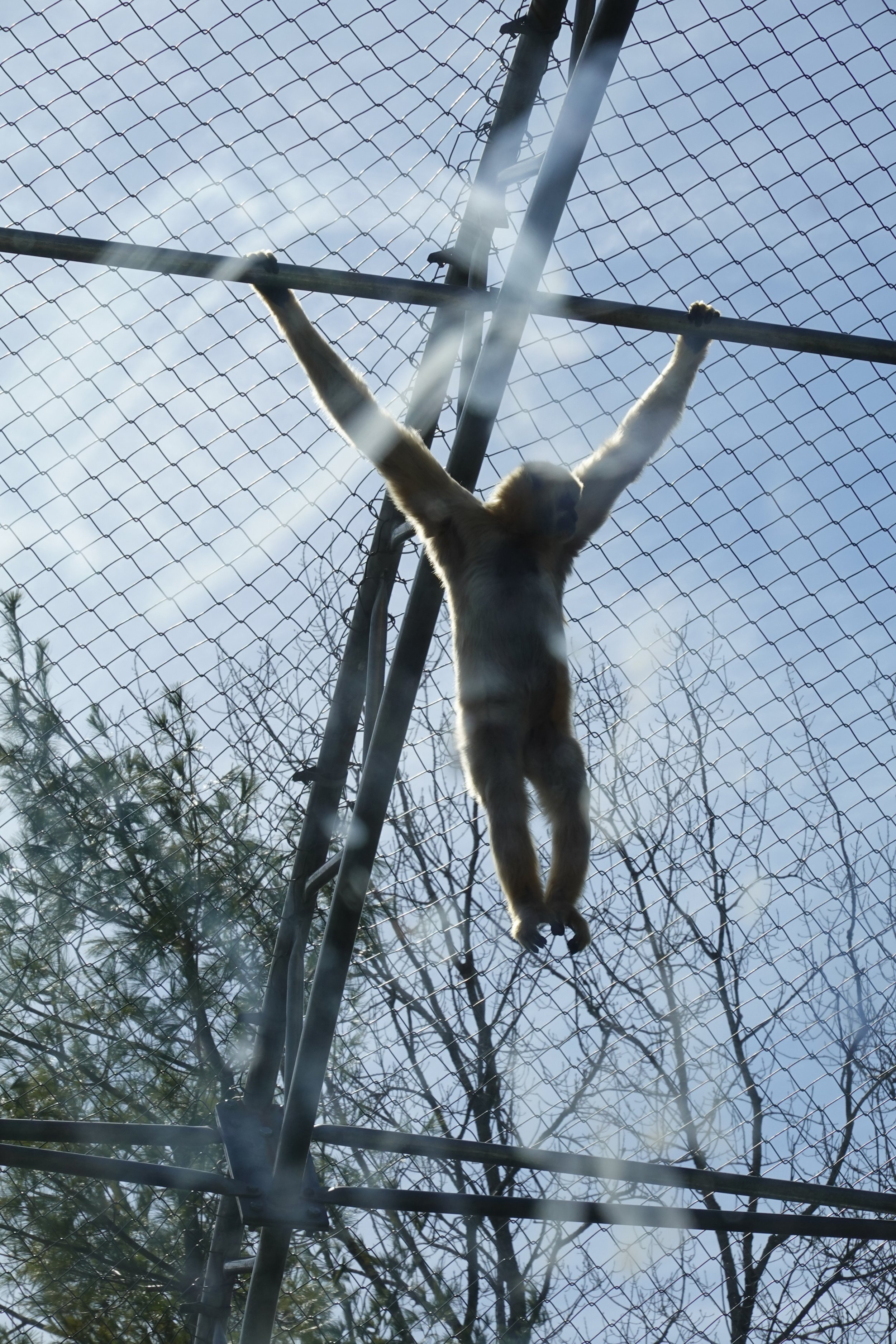
作品介绍
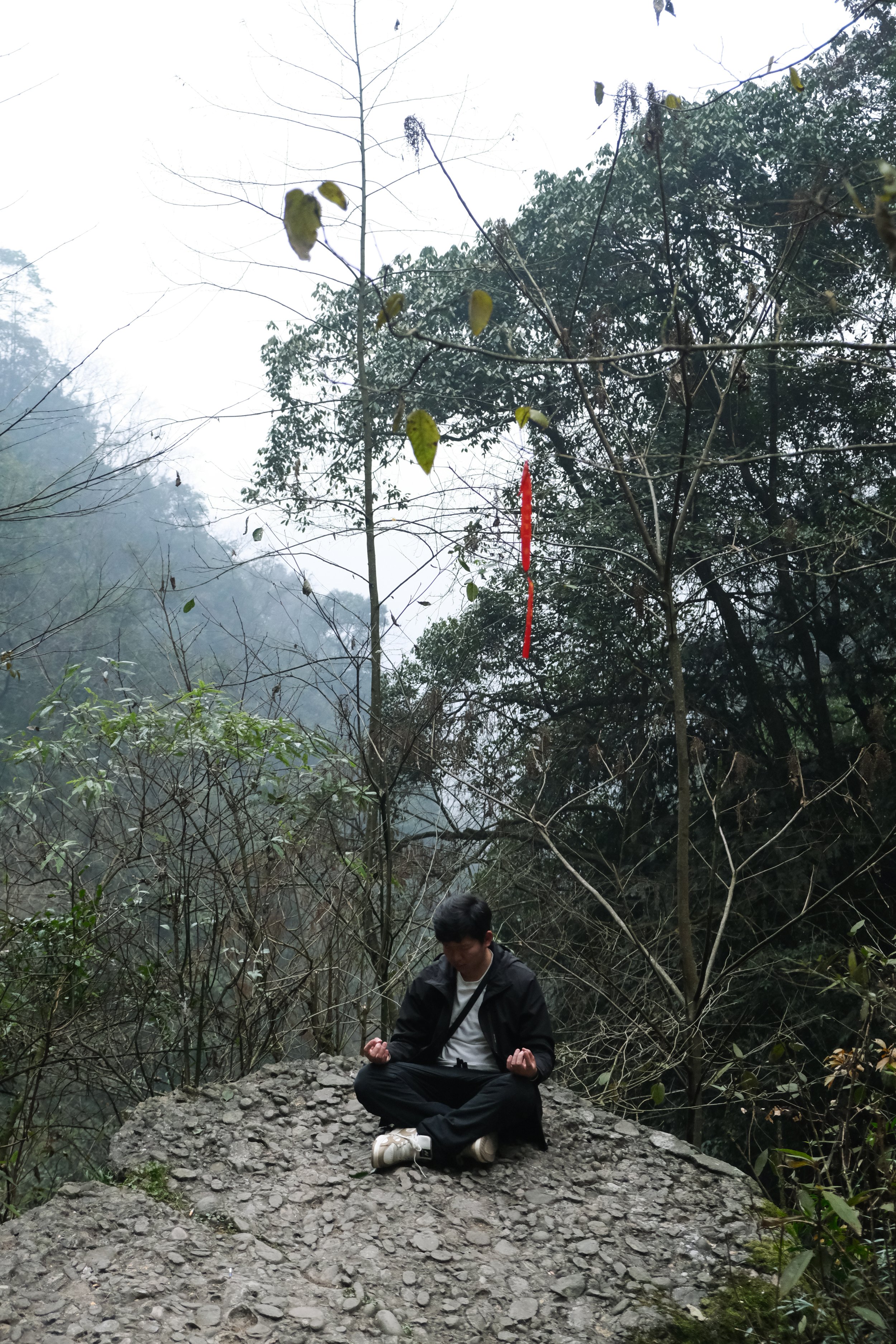
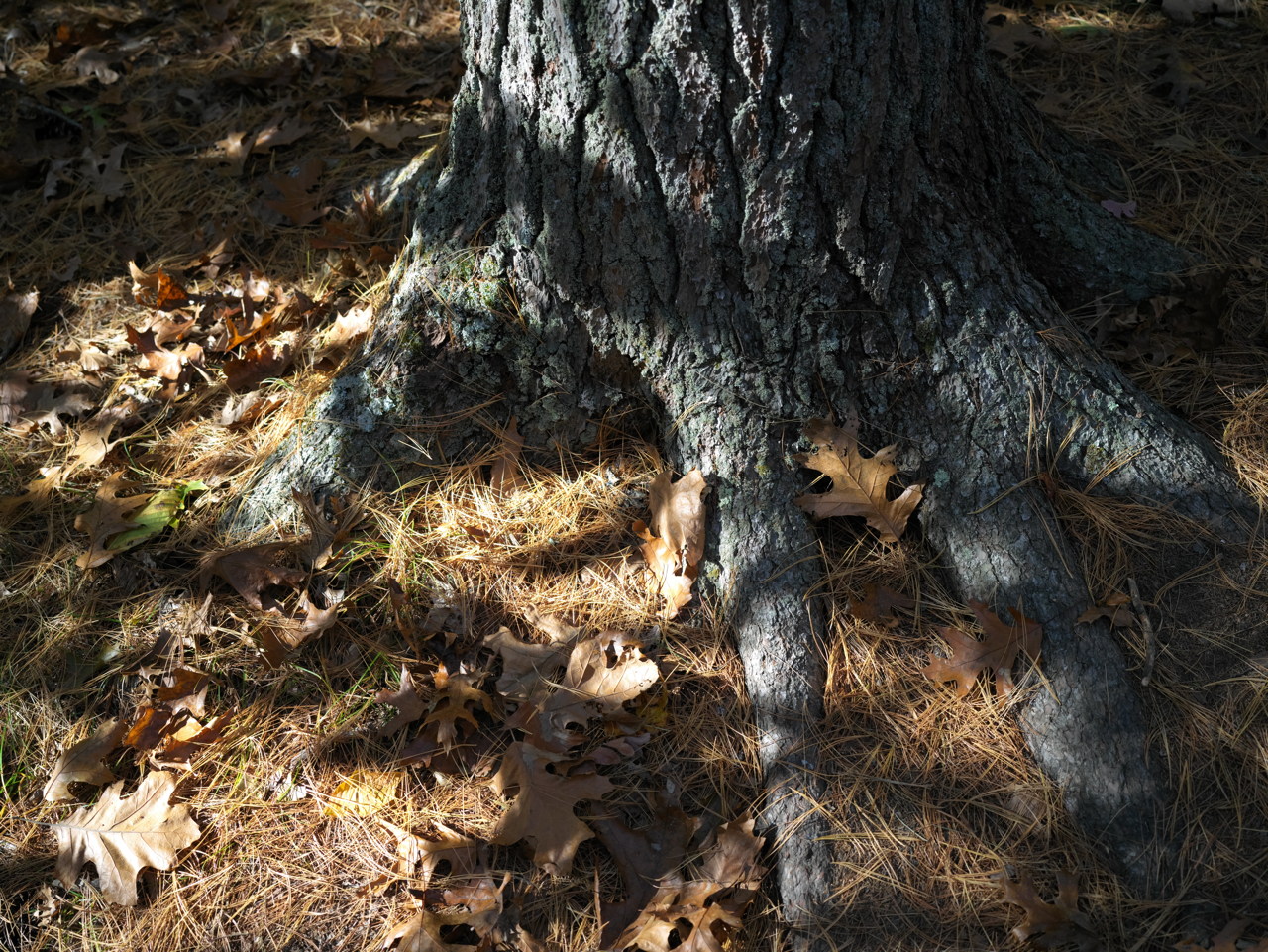
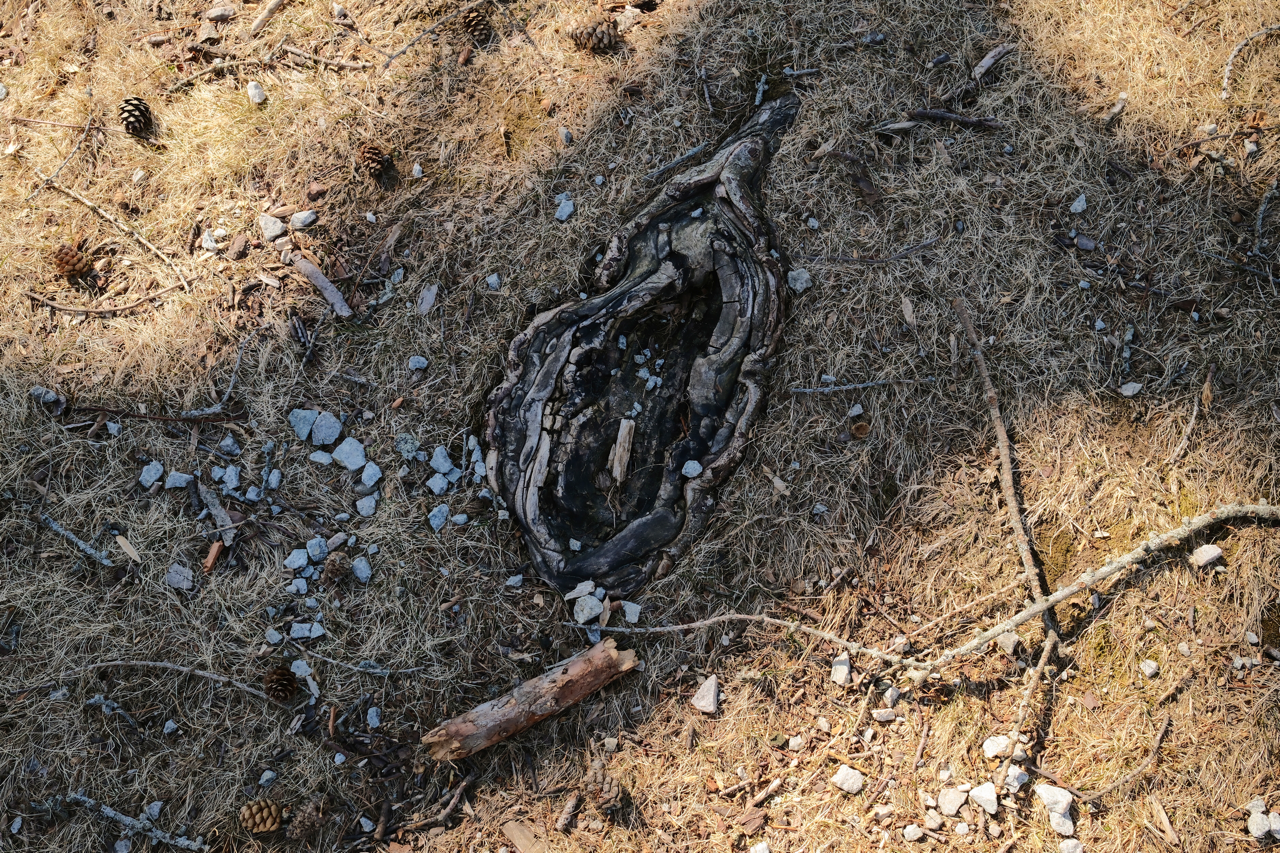
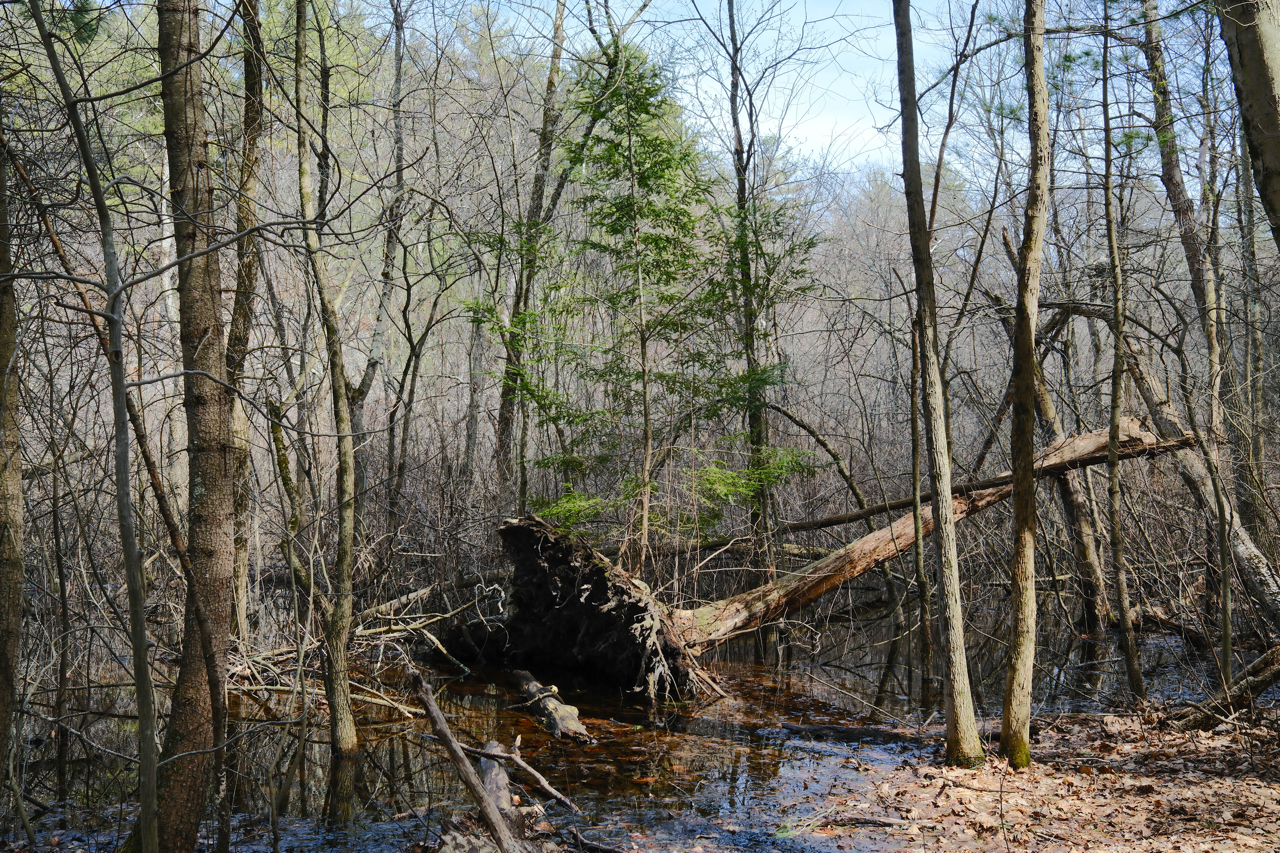
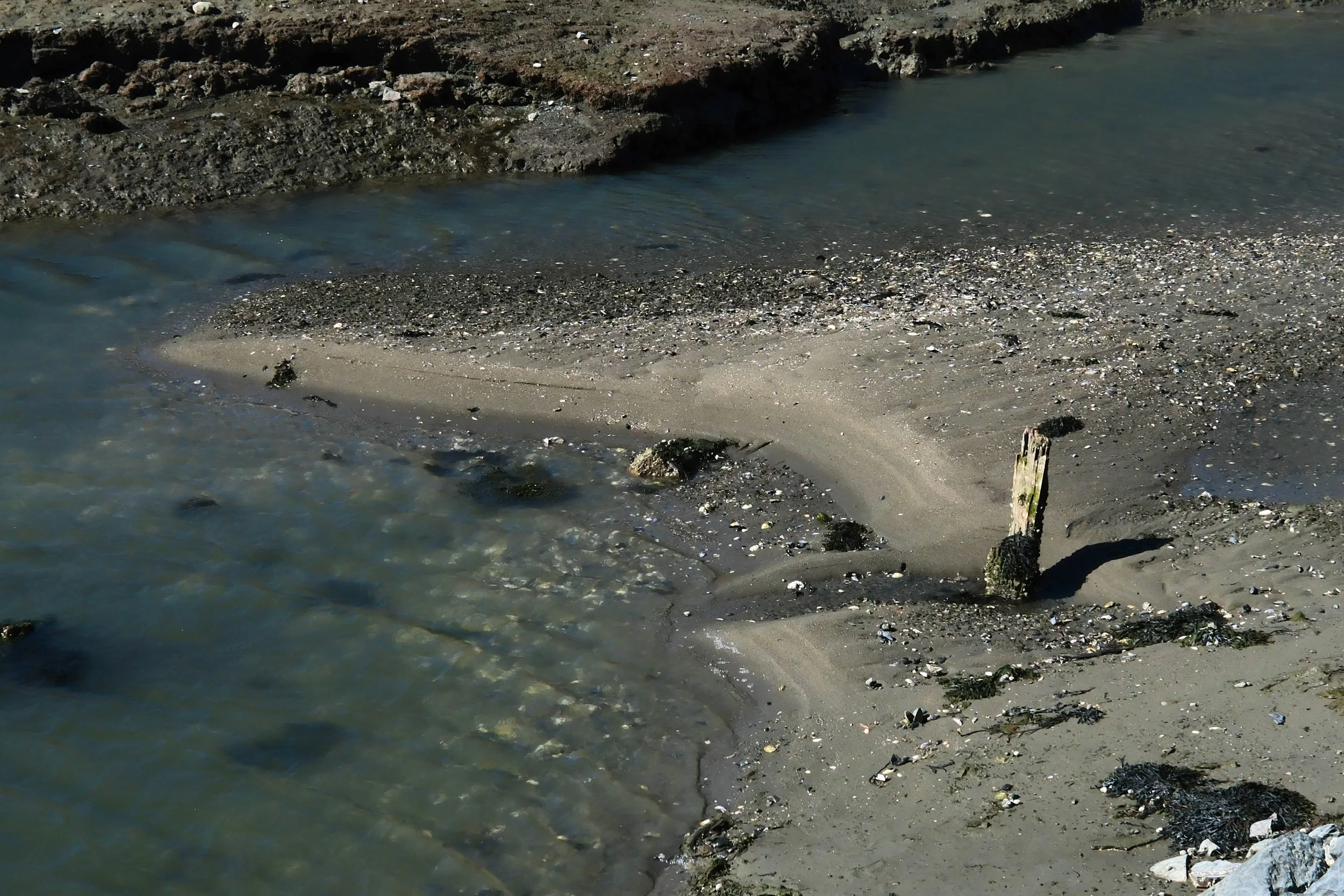
「真有妙境」是艺术家刘默霏以摄影为修行方法的一组作品。相较其过往围绕家庭结构、社会机制与个体经验展开的创作,这一系列将目光转向人与自然之间更为原初、深层的关联,通过冬季对一系列元素、生命、人物与景观的敏感捕捉,探讨时间、死亡、存在以及客观世界的本质。
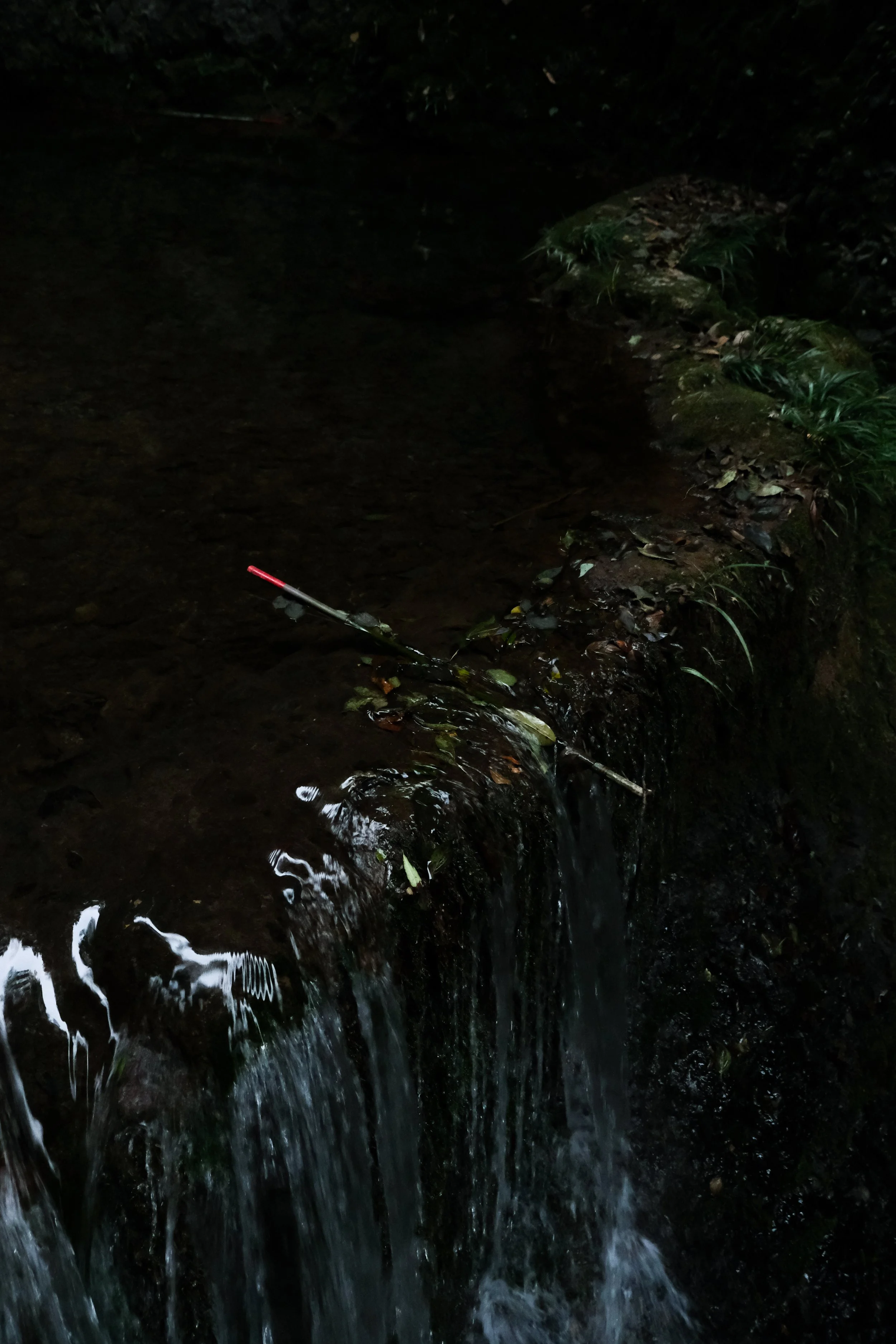
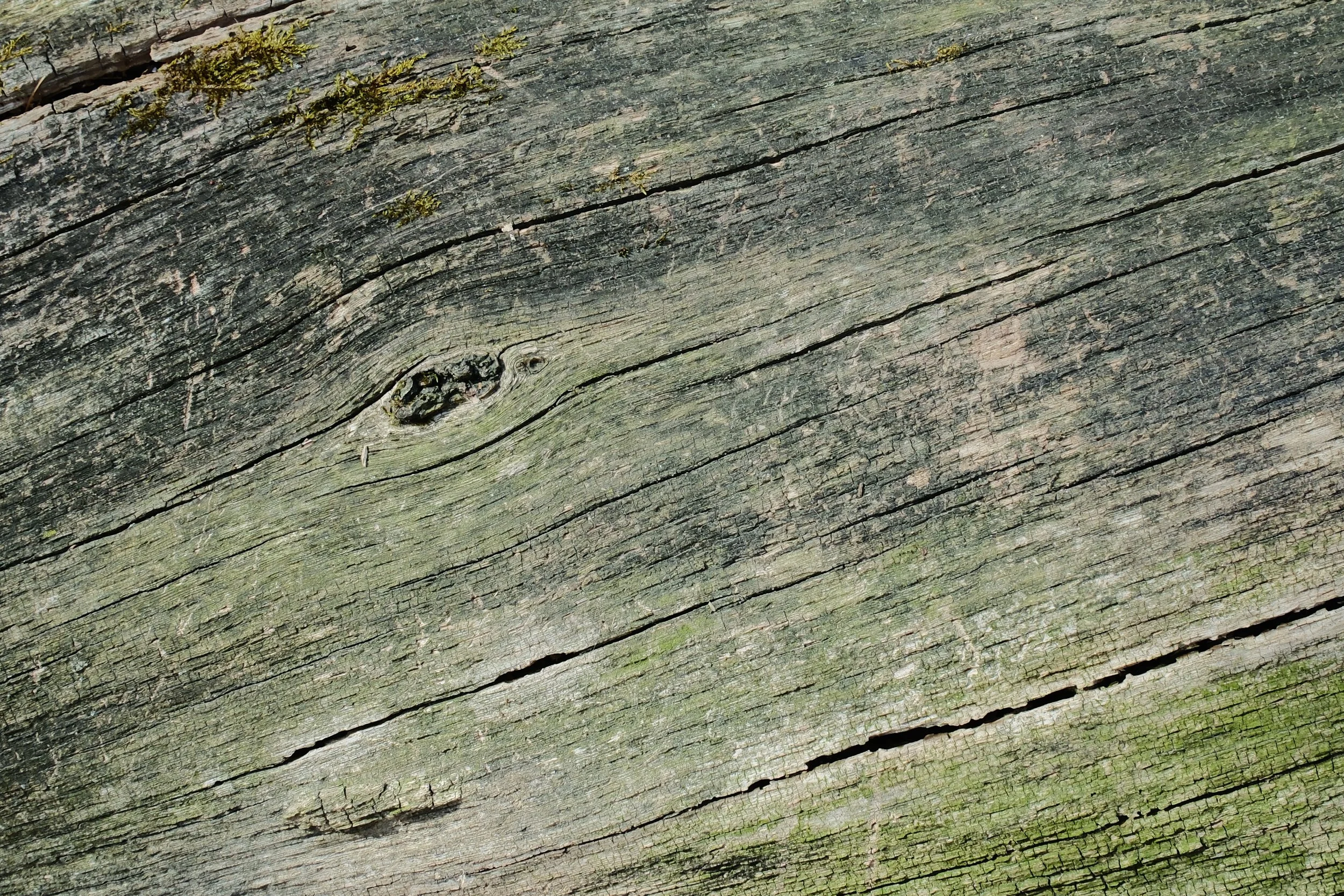
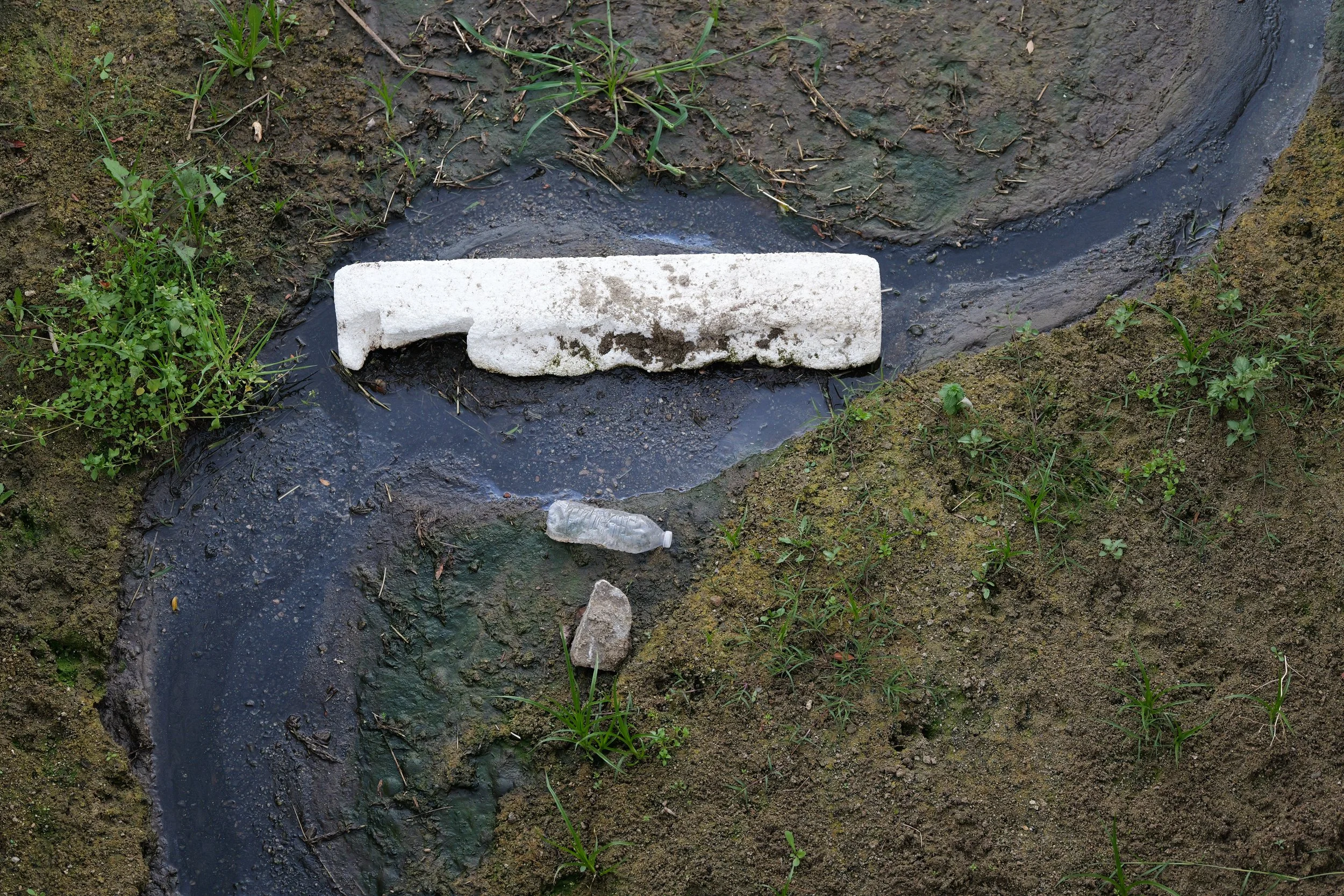
这些影像并非对自然景观的再现,而更接近一种对“世界如何显现”的凝视练习。当对自性执着松动,万物便不再是被凝固的对象,而是在时间与因缘中持续生成的过程。摄影在此不再是对“物”的捕捉,而成为对缘起、流动与显现本身的回应。水与草木在画面中反复出现,并非象征意义上的指代,而是一种与生命节律的同频——水与草木像血管一般连结着不同区域的景观,将静态引入某种动态的结构;而生命深处其中,水象征着时间的流动,草木被时间切割、裸露,冻结在象征死亡的肃杀背景中,给予观察者些许反思与沉淀的空间,并暗示着再度流动的可能。生与死不再是对立的状态,而是同一循环中的不同相位。
在这一过程中,艺术家提出“波之摄影”的概念:世界并非由稳定的实体构成,而是由持续流动、相互影响的「波」组成。水的流向、草木的生长与枯萎、光线的折返与消散,皆构成一种不可截断的时间波形。艺术家在时间的波动中寻找共振点,使影像成为时间自身的回声。
「真有妙境」这一命名,亦指向一种介于现实与觉知之间的状态——并非虚构之境,而是真实存在却不易被直接观察到的世界层次。摄影在此不再区分主观与客观,而是通过对自然规律、生命循环与存在秩序的体察,使影像成为通向「道」的路径:既顺应万物的生成与消逝,也容纳人类情感与认知的有限性。「真有」不是对现象世界的否定,而是在洞察其性空之后,对其因果宛然、秩序分明的重新确认;「妙境」不是逃离现实,而是在当下,看见世界真实而微妙的展开。
「真有妙境」最终指向的并非某个可抵达的地点,而是在波动中对存在本身的安静凝视,在流转之中,看见人与草木、时间与生命共同指向的命运——生灭往复,循环不息。
Statement
Wonderland (True Being, Wondrous Realm) is a body of work in which artist Mona Leau approaches photography as a method of cultivation. In contrast to her earlier practices centered on family structures, social mechanisms, and individual experience, this series turns its attention toward a more primordial and profound relationship between humans and nature. Through sensitive observations of elements, life forms, figures, and landscapes during winter, the work investigates the essence of time, death, existence, and the objective world.
These images are not intended as representations of natural scenery, but rather as a practice of sustained contemplation on how the world comes into appearance. As attachment to fixed selfhood loosens, things no longer present themselves as frozen objects, but as processes continuously generated through time and karmic causes and conditions. In this context, photography no longer functions as capturing moments, but becomes a response to arising, movement, and manifestation itself.
Water and plant/wood recur throughout the images not as symbolic substitutes, but as a resonance with the rhythm of life. Like blood vessels, water and plants connect different regional landscapes, introducing a dynamic structure into what appears static. Embedded within life itself, water signifies the flow of time, while vegetation is cut, exposed, and frozen against a wintry backdrop that evokes death. This suspension offers viewers a space for reflection and sedimentation, while quietly suggesting the possibility of renewed movement. Life and death thus cease to exist as oppositional states, becoming instead different phases within a single cycle.
Within this process, the artist proposes the concept of “Wave of Photography.” The world is not composed of stable entities, but of continuous, interrelated fluctuations. The movement of water, the growth and decay of plants, and the refraction and dissipation of light together form an uninterrupted temporal waveform. By locating points of resonance within these fluctuations, the artist allows images to emerge as echoes of time itself.
Wonderland (True Being, Wondrous Realm) points to a state situated between reality and perception—not a fictional realm, but a layer of the world that exists authentically yet resists direct observation. Photography here no longer separates the subjective from the objective; instead, through attentiveness to natural laws, life cycles, and the order of existence, images become pathways toward the Tao. They follow the generation and dissolution of all things while accommodating the limits of human emotion and cognition.
“True being” does not negate the phenomenal world, but reaffirms its causal clarity and discernible order after insight into its fundamental emptiness. “Wondrous Realm” is not an escape from reality, but the ability to perceive the world’s subtle and genuine unfolding within the present moment. Ultimately, Wonderland(True Being, Wondrous Realm) does not gesture toward a destination to be reached, but toward a quiet gaze upon existence itself—one that, amid constant fluctuation, perceives the shared destiny of humans and plants, time and life: a cycle of arising and passing, endlessly recurring.
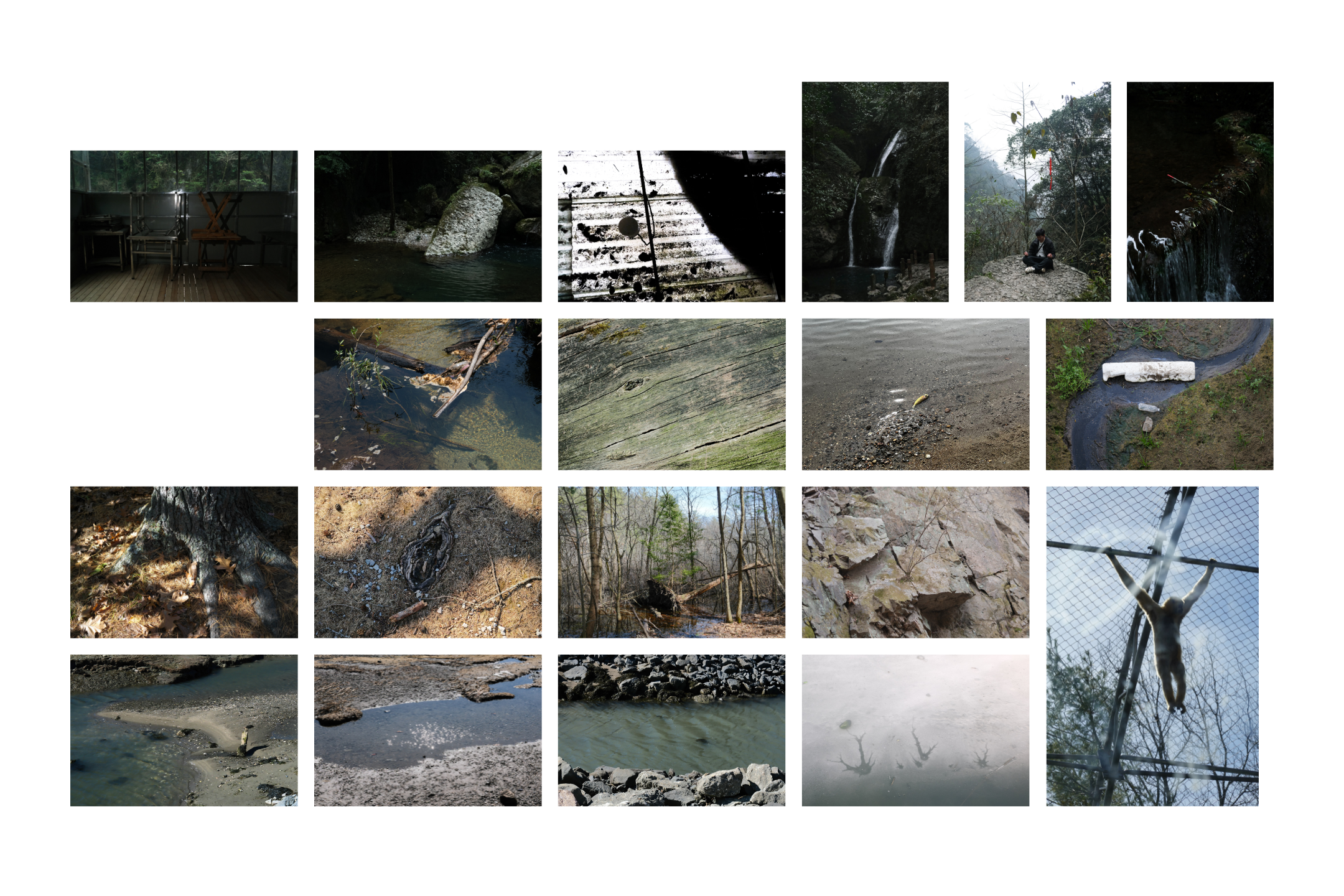
从前,有一只名为亚当的猴子出生了。
他遵循着神的指示,开启了对世界的救赎。
他信心满满地踏上了征程。
第一天,他遇见了挥舞着小短杖的赫尔墨斯。他央求祂开启春和之境的门——那道介于梦境与现实之间的门。赫尔墨斯笑嘻嘻地唤来西风,在月升时分将他送入那虚幻又真实存在之界,那所有生灵都能寻到其所梦寐以求之界。
他漂浮着,期待着,观看着那如宇宙大爆炸般绚烂的场景。无数如他目前所是般的白色光点向着远处的黑洞进发。世界在母亲的子宫中诞生,在女人的裙摆下灭亡。
他钻进了那处最亮的光团子,发出了第一声啼哭。
一只名为亚当的猴子出生了,他遵循着母亲的指示,开启了人生旅途。
童年时期的亚当是个淘气包,他每天嘻嘻哈哈地到处交朋友,喜欢欺负邻居家的小白兔。有一天,小白兔集结了所有的兄弟姐妹,足有一百零八个!他们将亚当堵在操场上不让走,要求亚当发誓不再欺负小白兔,不然就将他打一顿。
亚当委屈地回家和妈妈控诉。妈妈将他环在自己的怀抱中,轻轻敲着他的背。
那沉静如大海般的温柔使他沉沉地睡去。在梦中,他变成了一只快乐的啄木鸟,在深山中飞舞着,寻找着沉于病痛的树木。
第二天,亚当从梦中醒来,妈妈告诉他,要开始上学了。
亚当很喜欢上学,因为有春游,暑假,秋游,寒假。他喜欢官方特意规定出游玩的时间,他更喜欢和他一起玩的小伙伴们。自己也可以玩耍,但是有朋友一起,时间就会过得飞快。感觉明天就可以变成大孩子,就可以照顾妈妈了!
早上,他照常出门去上学,偶遇一只苦着脸的大象。
大象先生正在春游,他丢失了帽子。
“早上好,大象先生!您今天过的好吗?”名为亚当的小猴子冲他打招呼。
“嗯,小亚当。我的帽子丢了,你可以在上学路上帮忙留意下吗?”
“请问是什么式样的帽子?”
“很大,很大的一顶帽子。我工作了许久,好不容易升职拿了奖金之后想休假去春游,没想到一阵来自极北之地的寒风将我的帽子吹走了!”大象先生唉声叹气地说:“那是一顶多么美妙的帽子啊!只要戴上它,就有无数的人会对你敬贺称赞。虽然它沉重无比,压弯了我的脖子和脊椎,让我无法再自如地晃动头部,但是那些称赞!让我绝对无法抛弃那顶帽子。”
亚当困惑地看向大象先生。他想,也许这就是大象先生所梦寐以求之物。
于是他说:“好的,大象先生,我会帮你留意的,希望你春游愉快,再见!”
理所当然的,亚当没有找到那顶很大的美丽帽子,他没有注意到,被北风吹入泥泞中的帽子已不再美貌,也不再巨大。那顶帽子落入下水道中,落入阴沟里的老鼠先生的家。老鼠先生喜欢极了这顶帽子,他不断地触碰这顶帽子的顶端,就有无数的称赞从帽子两侧的扬声器中流出。老鼠先生心安理得地享用着这些称赞,将帽子枕在身下。
当天晚上,老鼠先生做了个梦,他梦到自己变成了一头大象,被一只大到可笑的帽子压弯了脊柱。早上醒来后,梦中的场景全部消散,老鼠先生继续勤勤恳恳地去常去的那家仓库里偷面包吃。
第三天,正在攻读世界史博士学位的亚当依旧对这个世界有很多的困惑。他不再试图从达尔文的日记中弄清楚星星的秘密,但他仍旧对远古恐龙的眼泪感到好奇。
周围有很多小草在随风摇摆中不断呐喊:“到时间了!快点毕业!”“到时间了!快点工作!”“到时间了!快点结婚!”“到时间了!快生孩子!”
可是小草们根本无法理解一只猴子对于世界的向往。
作为一只猴子,亚当深刻地向往着天空和海洋。
在课堂上见多了教授们的繁文缛节,在社会上听腻了老烟头们对人生的思考。
他决定告别母亲,告别小草,告别学校,告别自己熟悉的一切,背上行囊,远离家乡。
一只名为亚当的猴子出生了,他遵循着命运的指引,开启了发觉自己之路。
第四天,亚当去了海边,他遇见了一块迷失的石头。
那块石头历经风霜,已经不再是曾经那块山顶上的巨石了。他被风推着走,被野马踢着走,被过路的鹅群带着走,一路摸爬滚打,他终于走到了这里。
亚当与他谈心:“石头先生,您为何来看海?”
石头先生叹息:“听河边的泥沙说,这里是所有石头最终的归宿,我想来看看,归宿是什么样子。但是走到这里发现,这里好像不是我的终点。这里并不如想象中的美,我也并不想停下我的脚步。在我漫长的生命中,从未有一刻有如此强烈的冲动:若这是此生唯有一次的自作主张,我希望自己能走的再远一些。亲爱的小猴子,请问你可否带上我,我想和你一起结伴同行,随你带我去到哪里。”
亚当望着即将落入海平面的红日,沉醉地吸了一口海风吹来的腥咸湿气。
他说:“没问题,石头先生,我带你去远方。”
当天晚上,亚当怀里揣着石头先生,躺在树杈上看月亮。月桂树散发出清冷温柔的香气,让他想起身在远方的母亲。伴随着怀念,他沉沉睡去。
梦中,他变回了那个稚童,对世界一无所知,无忧无虑。
第五天,亚当带着石头先生一起爬上了雪山之巅。
望着远处的群山和一望无际的白雪皑皑,石头先生叹息着:“这里也不是我的归宿,我们离开吧。”
亚当问道:“我们已经走了很远,石头先生,从天南到地北,我们走了十万八千里。您仍旧没有找到自己的归宿吗?”
回应他的是石头先生的沉默,和远处传来的脚步声。
那道身影带着夜晚与黎明交织的璀璨的黑暗,步履深沉。他无声地走来,又无声地离开。
亚当冲着他的背影喊道:“喂!你好,先生——”
脚步停下,那人转过身来看了眼正处于踌躇中的他们。
那是怎样的一双眼?亚当走过了如此多的路,见过了如此多的人,也从未见过这样生机勃勃的眼——它出现在茫然不知所踪的雪山之巅,出现在红日与弯月交织的黎明之前。它也仅能出现在此时,此刻,此地,出现在虔诚寻找归宿的亚当面前。
一只名为亚当的猴子出生了,他追随着自己赋予的使命,找到了他的心之归宿。
那双眼的主人沉默不言,也不曾放慢脚步。亚当磕磕绊绊地带着石头先生追随着他去。
那人不曾讲过一句话,亚当也无从知晓他的姓名,只在需要指代时,称呼他为“大山里的守墓人”。
那人住在山脚处的小木屋里,旁边种植了红薯、玉米等作物。
亚当与石头先生在他的小木屋旁搭建了一个新的小木屋。守墓人并没有说什么,仿佛对发生的一切都并不在意。他允许一切的发生,允许亚当与石头先生在他身边停留。
就这样,亚当与石头先生在山里住了下来。石头先生仍旧沉默寡言,唉声叹气。
亚当每日清晨去捕捉叶片上的第一滴露水,每天傍晚对蜉蝣说晚安。而晚上临睡前,他必定会对石头先生和守墓人先生大声地说:“明天见!”
第六天,亚当起的很早。这一天,木屋外面下起了淅淅沥沥的小雨,而他转过头去想对桌子上的石头先生说早安时,才发现石头先生不见了。
亚当找遍了小木屋里的所有角落,都没有发现那块一直与他相伴的石头。
他在门口从清晨坐到黄昏,又从繁星漫天坐到叶片上的第一滴露水掉落到土壤里。
石头先生始终没有回来。
亚当想不通,石头先生为何要离开,又或者,他是如何离开的。难道是亚当带他去的地方都不满意,所以终于要离弃他了吗?亚当想不明白,为何他对此事如此的难以忘怀,为何要为一个注定要离开的生命而感到悲哀。
直到枯坐了很久很久之后,亚当如同大梦初醒般重新恢复了生机。
或许是那天的红日有什么不一样,或许是那天的星空格外璀璨,又或许,是那天的守墓人分给了亚当一颗他在小菜园中种的玉米,吃起来格外香甜。
总之,那天亚当苏醒了——从不染一尘的梦境中,从镜花水月般的幻境里。
原来,是命运啊!
那天夜里,亚当伴随着繁星入睡。他的梦里空无一物。那天,他睡得格外香甜。
第七天,初雪。
亚当很早就和守墓人先生一同出门了。他们从山脚慢慢朝着山顶登攀。亚当再次见到了那一览无余的雪景和远处的群山,只是这一次再没有石头先生的唉声叹气和陪伴了。
守墓人沉默无言,只一双眼睛注视着清澈得一尘不染的天空,和远处的飞鸟落入群山。
亚当的心在这寂静中慢慢沉静下来。他和守墓人先生一起观看眼前的风景。
过了不知多久,守墓人沉默起身,步履缓慢地下山而去。他们坐在木屋门口,享用了美味的红薯,又向着山顶进发。
在这一天中,他们爬了三千六百零一次山,吃了三千六百次零一颗美味的红薯。
你若是想问,红薯仍旧如第一次吃那样好吃吗?
亚当会在吃三十六次后告诉你,红薯只是红薯,没什么好吃不好吃的。
他会在吃三百六十次后告诉你,他的嘴巴已经尝不出红薯的味道了。
他会在吃三千六百次后告诉你,正如同第一次品尝时那般甜美。
第三千六百零一次爬上那座山时,亚当写下了亚当日记中的第一句话:“道生一,一生二,而山生万物。”
随即是第二句话:“以下,我所讨论的是属于我的,仅有一次的人生。”
那天夜里,亚当做了个梦。他梦到自己变成了蝴蝶,飞入了山谷,钻进了一只小猴子的梦里。
小猴子从梦中醒来,身边不再有红薯和玉米,不再有守墓人先生,也不再有那座亘古无垠的山,仅有面前的一只蝴蝶,向天空尽头盘旋飞舞去。
一只名为亚当的猴子出生了,他煽动了海洋彼岸的一场飓风后,在同一天死去。
/
2025.12.29
Once upon a time, a monkey named Adam was born.
It was said—by God, by fate, or by a voice that required no proof—that he had been given a task: to redeem the world.
Full of confidence, he stepped onto his journey.
On the first day, Adam met Hermes waving his Caduceus. Adam begged him to open the door to the Realm of Spring and Harmony - a threshold neither entirely dreamed nor fully awake.
Hermes smiled. He summoned the west wind, and at the hour when the moon rose, sent Adam into a realm that existed precisely because it could not be confirmed - a place where every creature eventually finds what it has been wanting all along.
Adam drifted, waiting, watching a spectacle as resplendent as the birth of the universe itself. Countless white points of light—just as he now was—moved toward a distant black hole. The world seemed to be born in a mother’s womb and perished beneath ladies’ dress. He entered the brightest convergence of light and released his first cry.
A monkey named Adam was born.
Following his mother’s guidance, he began the journey of life.
As a child, Adam was a little rascal. He laughed loudly every day, made friends everywhere, and delighted in teasing the white bunny living next door. One day, bunny gathered all her brothers and sisters—one hundred and eight in total—and blocked Adam on the playground, refusing to let him go. They demanded him to swear never to bully the little white bunny again, or else they would beat him up.
Adam returned home in tears and complained to his mother. She wrapped him in her arms and gently patted his back.
That calm, ocean-like tenderness lulled him into deep sleep. In his dream, he became a joyful woodpecker, flying through remote mountains in search of trees afflicted by hidden illness.
On the second day, Adam awoke from his dream. His mother told him, that it was time to start to go to school.
Adam loved school—for the spring outings, summer breaks, autumn excursions, and winter holidays. He loved the officially sanctioned times for play, and even more, the companions who played alongside him. He could play alone, but with friends, time passed far more quickly. It felt as though tomorrow he would become a grown-up, able to take care of his mother.
In the morning, on his way to school, he met an elephant with a sorrowful face.
Mr.Elephant was spring outing. He lost his hat.
“Good morning, Mr. Elephant! How are you doing today?” the little monkey named Adam greeted him.
“Morning, little Adam. I lost my hat. Could you keep an eye out for it on your way to school?”
“What does it look like?”
“A very, very big hat. I worked for a long time, finally earned a promotion and a bonus, and decided to take a vacation. But a bitter wind from the far north blew my hat away!” Mr. Elephant sighed. “It was such a marvelous hat. When you wore it, endless praise would pour toward you. Though it was unbearably heavy—bending my neck and spine so that I could no longer move my head freely—but those praises! They made it impossible for me to part with it.”
Adam looked at the elephant with confusion. He thought: perhaps this was what Mr. Elephant most deeply desired.
“Alright, Mr. Elephant,” Adam said. “I’ll keep an eye out. Hope you enjoy your spring outing. Goodbye!”
Naturally, Adam never found the enormous, beautiful hat. He didn’t notice that, blown into the mud by the northern wind, the hat was no longer beautiful, nor large. It fell into a sewer, into the home of Mr. Rat who lived in the gutter.
Mr. Rat adored the hat. Whenever he touched its crown, endless praise poured out from speakers hidden along its sides. Mr. Rat enjoyed these praises without guilt and slept with the hat beneath him.
That night, Mr. Rat had a dream. He dreamed that he had become an elephant, his spine bent beneath a ridiculously huge hat. When he awoke, the dream dissolved completely, and he returned to stealing bread from his usual warehouse, diligent as ever.
On the third day, Adam—now pursuing a doctorate in world history—still felt deeply confused about the world. He no longer tried to uncover the secrets of the stars through Darwin’s journals, yet he remained curious about the tears of ancient dinosaurs.
All around him, blades of grass swayed in the wind, shouting:
“It’s time! Graduate!”
“It’s time! Get a job!”
“It’s time! Get married!”
“It’s time! Have children!”
But the little grasses could not understand a monkey’s longing for the world.
As a monkey, Adam yearned profoundly for the sky and the sea.
He had grown weary of professors’ endless formalities, and sick of cigarette butts’ reflections on life.
He decided to bid farewell—to his mother, to the grass, to school, to everything familiar. He packed his bag and left his homeland behind.
A monkey named Adam was born.
Following the guidance of fate, he began the path of discovering himself.
On the fourth day, Adam went to the ocean, where he met a lost stone.
The stone had endured countless trials and was no longer the great boulder it once was atop a mountain. Pushed by wind, kicked by wild horses, carried along by passing geese, it tumbled and struggled until it finally arrived here.
Adam spoke to it gently. “Mr. Stone, why did you come to the sea?”
The stone sighed. “The sand by the river said this was the final destination of all stones. I wanted to see what a destination looked like. But upon arriving, I realized this is not my end. It isn’t as beautiful as I imagined, and I don’t wish to stop walking. In my long life, I’ve never felt such a powerful urge: if this is the only act of self-will I am ever granted, I wish to go a little farther. Dear little monkey, would you carry me with you? I wish to travel alongside you, wherever you may go.”
Adam gazed at the red sun sinking toward the horizon and breathed in the salty, fishy air carried by the sea breeze.
“No problem, Mr. Stone,” he said. “I’ll take you far away.”
That night, Adam held the stone in his arms and lay among the tree branches, watching the moon. The laurel tree released a cool, gentle fragrance that reminded him of his mother far away. With longing in his heart, he fell into deep sleep.
In his dream, he returned to childhood—ignorant of the world, carefree and unburdened.
On the fifth day, Adam and Mr. Stone climbed to the summit of a snow-covered mountain. Gazing at endless white peaks, the stone sighed. “This is not my destination either. Let’s leave.”
“We’ve come so far,” Adam said. “From the southern seas to the northern lands, we’ve traveled one hundred and eight thousand miles. Have you still not found your home yet?”
The answer was only silence—and the sound of footsteps approaching from afar.
A figure emerged, cloaked in a radiant darkness woven of night and dawn. His steps were heavy, his arrival soundless, his departure the same.
“Hello! Sir—” Adam called after him.
The figure stopped and turned. He looked at them.
What kind of eyes were those? Adam had walked countless roads and met innumerable people, yet never had he seen eyes so vividly alive—appearing on a snowbound peak without direction, before the mingling of red sun and crescent moon. Such eyes could exist only here, only now, only before Adam, who sought a home with devotion.
A monkey named Adam was born.
Following the mission he gave himself, he found the home of his heart.
The man spoke no words and did not slow his pace. Adam stumbled forward, carrying the stone, following him. The man never gave his name; Adam could only call him the Mountain Gravekeeper.
He lived in a small wooden cabin at the foot of the mountain, growing sweet potatoes and corn. Adam and Mr. Stone built another small cabin beside his. The gravekeeper said nothing, as if indifferent to all that occurred. He allowed everything—allowed them to remain by his side.
Thus, Adam and the stone settled in the mountains. The stone remained quiet, sighing softly.
Each morning, Adam collected the first drop of dew from the leaves. Each evening, he wished the mayflies good night. Before sleeping, he always called out loudly to the stone and the Gravekeeper, “See you tomorrow!”
On the sixth day, Adam rose early. A light rain fell outside the cabin. When he turned to greet the stone, he found it gone.
He searched every corner of the cabin. The stone was nowhere to be found.
Adam sat at the doorway from morning until dusk, from star-filled night until the first drop of dew fell upon the soil. The stone never returned.
He couldn’t understand why Mr. Stone had left, nor how. Had none of the places Adam brought it been satisfactory? Was it abandoning him at last? He couldn’t understand why the loss grieved him so deeply—why he mourned a being destined to leave.
After sitting for a long, long time, Adam awoke as if from a great dream.
Perhaps the sun that day was different. Perhaps the stars shone brighter. Or perhaps the Gravekeeper shared a piece of corn from his garden—unusually sweet.
In any case, Adam awakened—from a spotless dream, from illusions like reflections in water.
Ah, so it was fate.
That night, Adam slept beneath the stars. His dreams were empty. He slept especially well.
On the seventh day, the first snow fell.
Adam set out early with the Gravekeeper. They climbed from the foot of the mountain toward its summit. Once again, Adam saw the boundless snow and distant peaks—but this time without the stone’s sighs or companionship.
The Gravekeeper remained silent, his eyes fixed on the immaculate sky and the birds vanishing into the mountains.
In the stillness, Adam’s heart gradually grew calm. Together, they watched the landscape.
After some time, the Gravekeeper rose and slowly descended the mountain. They sat by the cabin, ate sweet potatoes, then climbed again.
That day, they climbed the mountain three thousand six hundred and one times, and ate three thousand six hundred and one sweet potatoes.
If you ask whether the sweet potatoes were still delicious—
After thirty-six times, Adam would tell you: a sweet potato is just a sweet potato.
After three hundred and sixty times, he would say he could no longer taste it.
After three thousand six hundred times, he would say it was as sweet as the first bite.
On the three-thousand-six-hundred-and-first ascent, Adam wrote the first line in Adam’s Diary:
“Tao creates one; one creates two; and the three creates everything.”
Then he wrote a second line:
“What follows concerns my one and only life.”
That night, Adam dreamed he became a butterfly, flew into a valley, and entered the dream of a little monkey.
The little monkey awoke. There were no sweet potatoes, no corn, no Gravekeeper, no eternal mountain—only a butterfly spiraling toward the edge of the sky.
A monkey named Adam was born.
After stirring a hurricane across the ocean, he died on the same day.


